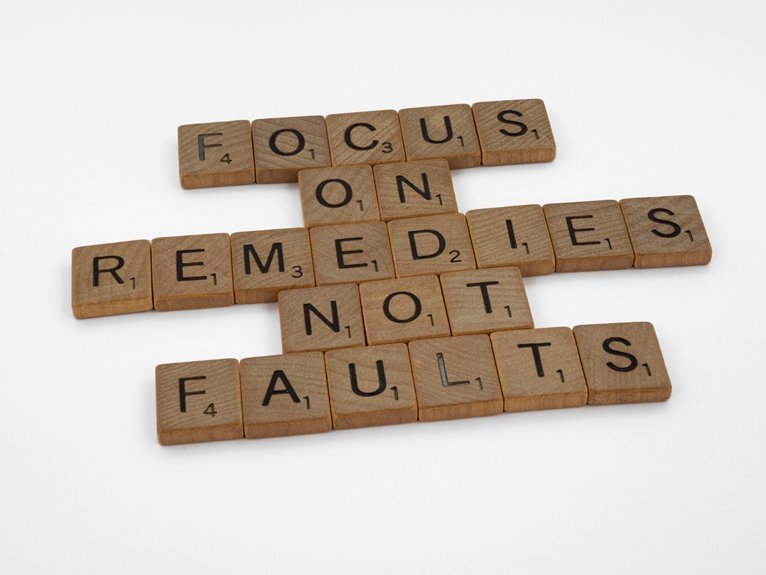
In addressing 8436521687 when errors accumulate, identify the recurring fault pattern and its impact with disciplined clarity. Apply a simple triage to separate symptoms from causes, focusing on observable failures first. Map input conditions to tolerances and document each decision point. Implement repeatable fixes and standard procedures, then capture outcomes in a knowledge base. Progress must be transparent to stakeholders, yet the next step remains essential to prevent recurrence and confirm a reliable path forward.
Identify the Recurring Fault Pattern and Its Impact
The recurring fault pattern manifests as a predictable sequence of failures that, when mapped, reveals a core misalignment between input conditions and system tolerances.
Each step is cataloged to identify fault pattern, isolating where expectations diverge from reality.
This framework supports impact assessment, enabling measured responses, and ensuring future operations align with established limits while preserving autonomy and resilience.
Isolate Root Causes With a Simple Triage Method
A concise triage approach segments symptoms from causes by prioritizing observable failures, mapping them to likely fault sources, and applying rapid, rule-based checks. The method isolates root causes through structured observation, quick hypothesis testing, and documented verdicts.
In practice, idea one guides data collection, while idea two shapes corrective focus, ensuring transparent, repeatable decision criteria without overcomplication.
Continuous refinement follows.
Implement Repeatable Fixes and Documentation
To ensure consistency and reliability, repeatable fixes are codified into standardized procedures, enabling rapid application across similar failures and reducing regression risk. The approach documents a recurring fault pattern, codifying steps for diagnosis, remediation, and verification. A triage method guides prioritization, while communication progress is logged for transparency. Stakeholder prevention is achieved by sharing concise, actionable fixes and updating knowledge bases.
Communicate Progress and Prevent Recurrence With Stakeholders
Communicating progress and preventing recurrence with stakeholders requires structured updates that clearly describe ongoing status, decisions, and forthcoming actions. The assessment emphasizes progress updates, stakeholder communication, and root cause triage to guide collaborative decisions.
It documents repeatable fixes and solid documentation practices, ensuring clarity, traceability, and accountability while maintaining freedom to adapt strategies as issues evolve.
Frequently Asked Questions
How Can I Verify if 8436521687 Is a Data Issue or a Process Error?
The issue can be distinguished through data tracing and variance analysis; if root causes align with data inputs, it signals a data issue, whereas process deviations indicate a workflow error affecting results.
What Metrics Best Indicate Improvement After Fixes for This Problem?
The metrics indicating improvement include stable precision and recall, reduced anomaly rates, and consistent latency; track discussion ideas and data drift over time, showing trend lines that converge post-fix, demonstrating measurable, freedom-oriented progress without reintroducing prior errors.
Which Stakeholders Should Be Notified First When Errors Recur?
When errors recur, the first notified stakeholders are on-call engineers and product leads, ensuring rapid triage; this mirrors a lighthouse beacon and error handling glyphs guiding teams. Stakeholder notification precedes root cause analysis and remediation.
How Often Should Automated Tests Run to Detect This Fault Pattern?
The test cadence should run continuously, with automated checks at least hourly, to promptly flag anomalies; incorporate data validation benchmarks and revert-to-fail gates to preserve integrity while enabling rapid, freedom-friendly remediation by engineers.
What Escalation Path Exists if Fixes Fail to Address the Issue?
Relentless, the escalation path after failing fixes points to predefined tiers, governance, and rollback options; reliability testing informs severity, while incident communication coordinates stakeholders. If thresholds persist, formal review, external audits, and corrective action plans follow.
Conclusion
In summary, the process yields a clear view of the fault pattern and its ripple effects, enabling precise intervention. A simple triage separates symptoms from causes, guiding targeted fixes that are repeatable and well-documented. Progress updates remain transparent, with decisions traceable and knowledge continually updated. The team can move forward with confidence, turning rough seas into calm waters, as if trimming the sails before a steady voyage toward reliable performance.