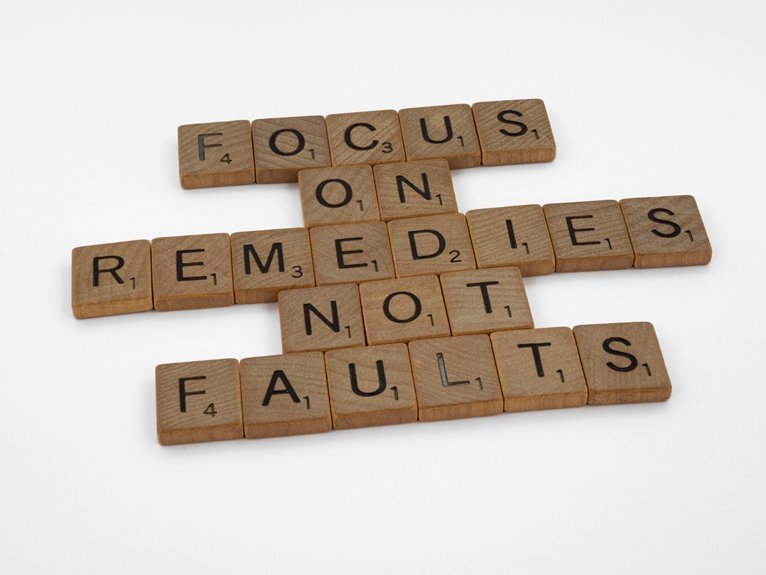
Effective methods around 2816662973 for dealing with routine troubles focus on quick diagnostic scans of daily patterns and clear, scalable adjustments. They favor empirical checks, small refinements, and transparent outcomes to support autonomous, micro-optimizations. Progress rests on habit metrics, accountable partners, and data-informed tweaks to workflows and tools. Momentum comes from prioritizing fixes and balancing guidance with autonomy, while ongoing reflection sustains resilience. The next step invites a closer look at practical tools and their impact.
How to Identify Your Routine Troubles Quickly
Identifying routine troubles quickly begins with a concise, objective scan of daily patterns. The analysis notes recurrent irritants, time sinks, and abrupt energy shifts, then distinguishes minor frictions from systemic issues.
Simple, Scalable Tactics for Daily Hiccups
Simple, scalable tactics for daily hiccups involve practical, repeatable steps that minimize disruption while maximizing reliability. The approach favors empirical checks, small refinements, and transparent outcomes, enabling personal autonomy. By framing issues as manageable patterns, communities adopt micro adjustments systems that reduce recurrences. Awareness of trendy interruptions informs pacing, while disciplined monitoring sustains progress with clarity, purpose, and measured experimentation.
Tools and Habits That Stick Across Weeks
Across weeks, practical tools and durable habits emerge when individuals prioritize consistency, measurement, and adaptability.
The discussion emphasizes habit tracking as a concrete method to quantify progress, while accountability partners provide social reinforcement and timely feedback.
An evidence-based approach demonstrates that small, regular adjustments build momentum.
This framing respects freedom, avoids rigidity, and supports autonomous, reflective practice for enduring routine stability.
Troubleshooting Workflows: From Glitches to Momentum
Troubleshooting workflows begins with diagnosing the friction points that interrupt momentum, then implementing targeted fixes that restore flow without overhauling core practices. The analysis identifies where glitches arise, applying data-informed adjustments to processes, tools, and feedback loops. Glitch diagnosis informs practical interventions, while momentum maintenance focuses on sustaining improvements. This approach balances autonomy with structure, supporting resilient, efficient workflows and informed decision making.
Frequently Asked Questions
How Can I Measure Long-Term Impact of These Methods?
The answer focuses on measuring outcomes over time, considering long term indicators such as sustained behavior changes and comprehensive metrics; it emphasizes careful data collection, controlled evaluation, and empathy for beneficiaries while maintaining analytical, evidence-based rigor.
Are There Risks or Drawbacks to These Approaches?
Risks and tradeoffs exist, including potential unintended consequences. The approaches may yield variable outcomes, requiring ongoing evaluation. From an empathetic, evidence-based lens, one should weigh benefits against costs, ensuring autonomy and informed choice for those seeking freedom.
Which Method Suits Beginner Versus Advanced Users?
“Practice makes perfect.” The method that suits beginners is beginner friendly, while the method for experts is advanced specific; the selection rests on user goals, evidential balance, and an empathetic, freedom-seeking, analytical assessment of practicality.
How Do These Tactics Fit Into Team Collaboration?
Team dynamics shape how tactics integrate into collaboration, with clear communication channels enabling smoother adaptation, shared responsibility, and feedback loops; evidence suggests transparency, regular check-ins, and inclusive decision-making foster trust and autonomy while supporting collective problem-solving.
What External Factors Could Derail the Routines?
External factors can derail routines, causing subtle routine derailment with observable churn; the long term impact appears mitigated when proactive monitoring and flexible planning are adopted, supporting evidence-based adjustments while maintaining autonomy and empathetic consideration for team members.
Conclusion
The routine troubles started as minor frictions, then subtly escalated, leaving only a whisper of doubt. Yet the scan reveals a consistent pattern: small untended glitches accumulate, eroding momentum. By deploying scalable checks and transparent results, the system quantifies what once felt intangible. As datasets grow and accountability partners weigh in, the path to stability edges into view—not as certainty, but as a disciplined cadence. The next adjustment, quietly decisive, holds the promise of regained momentum.