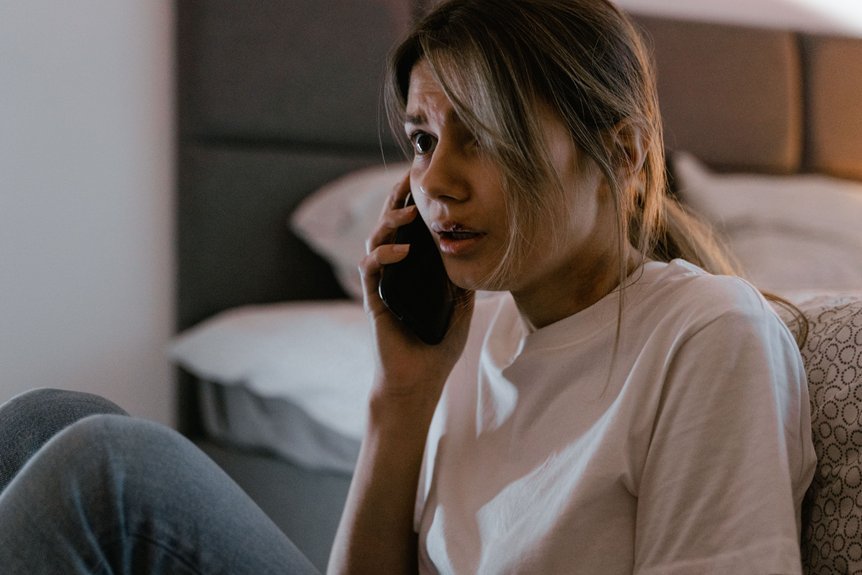
A careful examination of 928-756-4421 reveals a number that can signal ambiguous intent, demanding context, timing, and prior interactions. The caller’s identity and purpose require verification through official channels and corroboration with independent sources before sharing sensitive information. Documentation and records matter, and disclosure should wait until legitimacy is established. If misdialed or targeted, rapid verification and measured action—such as blocking the number and escalating with evidence—may be warranted, leaving a prudent path forward for those involved.
What 928-756-4421 Might Be Trying to Tell You
The number 928-756-4421 may signal a caller whose intent is not immediately clear, prompting careful attention to context, timing, and prior interactions.
Analysis suggests patterns in unwanted calls may exploit caller ID spoofing to mislead recipients.
The message emphasizes caution, documentation, and verification, enabling freedom through informed discernment rather than panic, while recognizing that not all uncertain signals indicate harm.
How to Verify if the Call Is Legit or a Scam
One reliable approach to determine legitimacy involves systematic verification steps: confirm the caller’s identity, assess the context and demands, and cross-check any claims with independent sources before sharing sensitive information.
Verification methods center on documented procedures, including spell-checking numbers, caller ID correlation, and corroboration with official channels.
Caller identity remains the anchor for evaluative judgment, reducing susceptibility to deception and undue influence.
Practical Steps to Protect Yourself Today
To protect against 928-756-4421-related risks, practical steps focus on immediate, verifiable actions: verify the caller’s identity using official contact channels, refrain from sharing sensitive information until legitimacy is confirmed, and document all details for later verification. Self protection hinges on skepticism, measured responses, and consistent records; recognizing call scams reduces exposure and preserves autonomy, safety, and freedom. Evidence supports caution and rapid verification.
What to Do If You’re Targeted or Misdialed Again
If targeted or misdialed again, individuals should initiate immediate verification and containment procedures to minimize risk and prevent repetition.
The approach emphasizes structured verification, documented timelines, and contact-blocking protocols.
When confronted with misdialed confusion or an unidentified caller, evidence-based confirmation methods and rapid de-escalation steps reduce exposure, preserve autonomy, and uphold security without unnecessary alarm.
Frequently Asked Questions
Who Is Associated With 928-756-4421 Legally?
The entity legally associated with 928-756-4421 is unclear from available records; the analysis notes who signs up and legal responsibility, emphasizing that evidence does not yet establish a definitive party and cautions independent verification.
Can a Scammer Spoof This Number on Blocking Apps?
Yes, a scammer can spoof the number on blocking apps, though less effectively on reputable platforms. The analysis emphasizes scam prevention and spoofing risks, noting safeguards exist and continued diligence reduces exposure to fraudulent attempts and misattribution.
Are There Smartphones That Flag This Specific Number Automatically?
Yes, some smartphones flag numbers automatically, though effectiveness varies; evidence suggests reliance on block listing and Android permissions, with apps leveraging contact prefixes and carrier data. The analysis emphasizes user autonomy, transparency, and privacy-preserving filtering strategies.
What Jurisdictions Handle Complaints About This Number?
Complaint jurisdictions vary by region, and several bodies oversee actions involving this number; legal associations provide guidance on proper recourse. The analysis identifies jurisdictional scope, evidentiary standards, and mutual cooperation among agencies for effective redress.
How Can I Report Harassment Linked to This Caller?
The report outlines how to report harassment through appropriate channels. It identifies legal reporting options, including authorities and platforms. It emphasizes factual documentation, verification steps, and evidence collection, guiding readers toward responsible, lawful action while safeguarding civil liberties.
Conclusion
This examination of 928-756-4421 highlights the necessity of cautious engagement and verification. While the number may convey ambiguous intent, prudent measures—identity checks, source corroboration, and careful documentation—serve to reduce risk. If misdialed or targeted, prompt blocking and escalation with structured evidence enhance safety. In sum, measured skepticism paired with methodical steps yields clearer understanding and minimizes potential disruption, even as uncertainty persists. The prudent path remains vigilant, disciplined, and evidence-driven.